


“Cattle ranching is not just an industry; it is a way of life that shapes economies, cultures, and the global market in ways that are often unseen but deeply felt.”
Cattle ranching, a key pillar of agricultural production across the world, has a significant impact on local economies and plays an equally influential role in global markets. With an expanding global population and growing demand for protein, particularly beef, cattle ranching has emerged as a driving force in both rural economies and international trade. South America, with its vast grasslands and favorable climates, is one of the most prominent players in the cattle ranching sector, contributing significantly to the world’s beef supply. Countries like Argentina, Uruguay, and Paraguay are globally recognized for their beef exports, and the industry has helped transform these nations into major players in the global meat market.
At the same time, the rapid expansion of cattle ranching across the globe has raised environmental and sustainability concerns. Deforestation, climate change, water usage, and methane emissions are just a few of the environmental challenges linked to cattle farming. The balance between supporting local economies, fostering global trade, and addressing environmental issues is critical to the future of the cattle ranching industry. This blog explores the role of cattle ranching in local economies, particularly in South America, and its influence on global markets while also considering the challenges and opportunities it presents for sustainable development.
Investment in regenerative beef farming isn’t just ethical – it’s profitable. Consumers are increasingly demanding healthier, ethically sourced meat, and regenerative cattle farmers are leading this shift. By supporting cattle farming, investors gain access to a growing market of environmentally conscious buyers willing to pay a premium for regenerative farming beef.
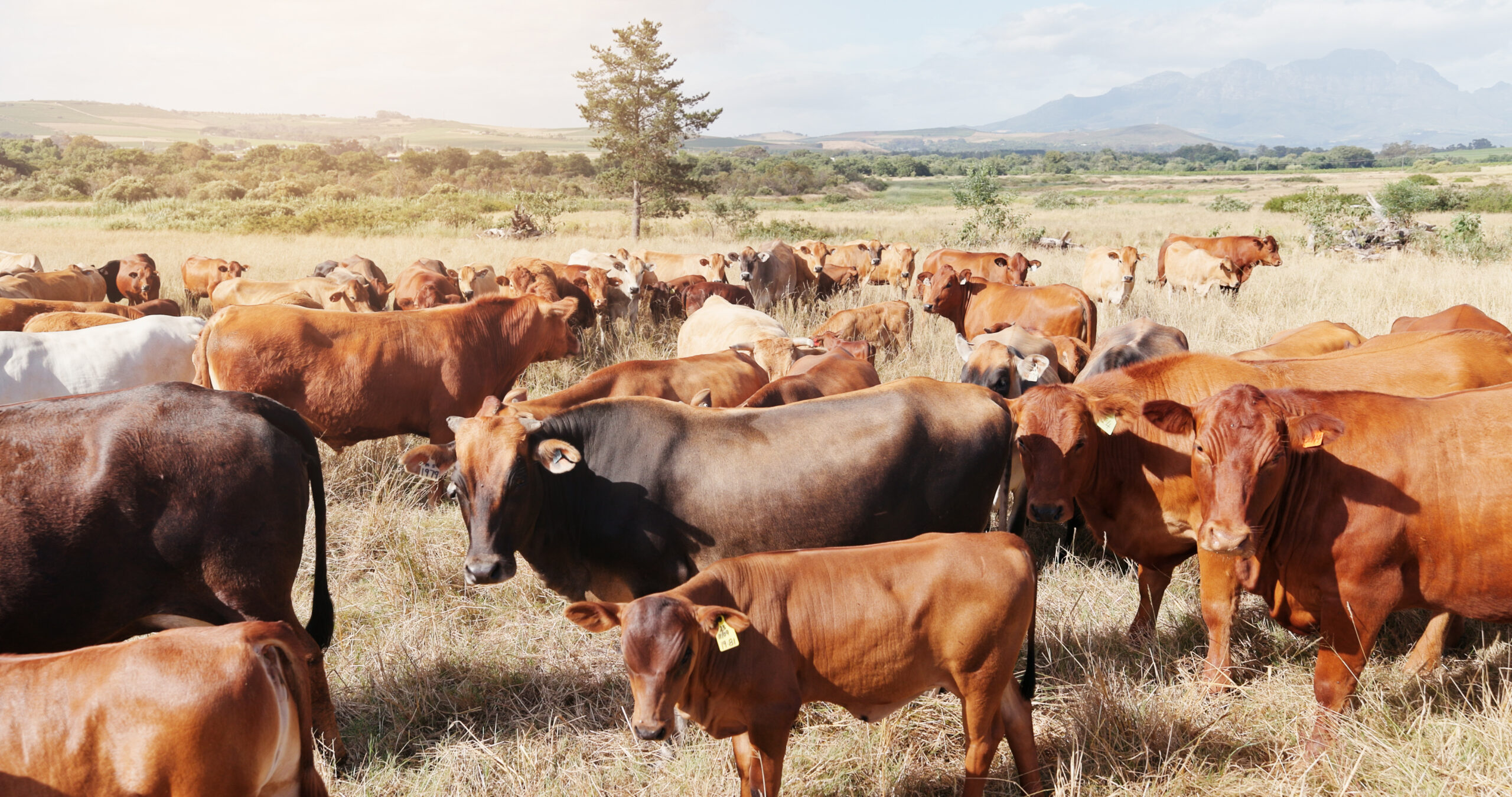
Cattle Ranching: A Cornerstone of Local Economies in South America
Cattle ranching is deeply embedded in the social fabric and economies of South American countries. As one of the largest meat-producing regions in the world, South America is home to a thriving cattle ranching industry that supports millions of livelihoods. For countries like Argentina, Brazil, and Uruguay, beef production is not only a vital industry but also a major cultural element that influences local economies, trade relationships, and national identities.
Argentina’s Role in the Global Beef Market
Argentina has a long-standing tradition of cattle ranching, dating back to the Spanish colonization in the 16th century. Today, the country is one of the world’s largest producers and exporters of beef, often recognized for its high-quality meat, particularly the prized Argentine steaks. Argentina’s vast pampas (fertile plains) provide ideal grazing conditions for cattle, which is a crucial advantage for the cattle industry.
In 2020, Argentina produced around 3 million metric tons of beef, of which nearly 1 million metric tons were exported. The beef industry in Argentina is integral to the economy, providing employment for millions of people. According to the Argentine Rural Society (SRA), over 350,000 jobs in the country are directly related to beef production, including those in cattle ranching, slaughterhouses, and meat processing plants. Moreover, the industry has deep roots in the cultural identity of Argentina, with beef being central to the country’s culinary traditions. The export of beef accounts for approximately 7-8% of Argentina’s GDP, and the country’s beef exports have been a significant source of foreign exchange revenue, supporting other sectors of the economy.
Beyond direct employment, the cattle industry has a far-reaching impact on the country’s infrastructure, including transportation networks (roads, railroads, and ports), financial systems (loans and insurance services), and agricultural supply chains. As a major beef exporter, Argentina maintains important trade relations with countries like China, the European Union, and the United States. In recent years, however, trade tensions and the fluctuating price of beef have posed challenges to Argentina’s cattle ranching industry, particularly as global demand for beef changes.
Bolivia’s Beef Industry: A Growing Force in Sustainable Agriculture
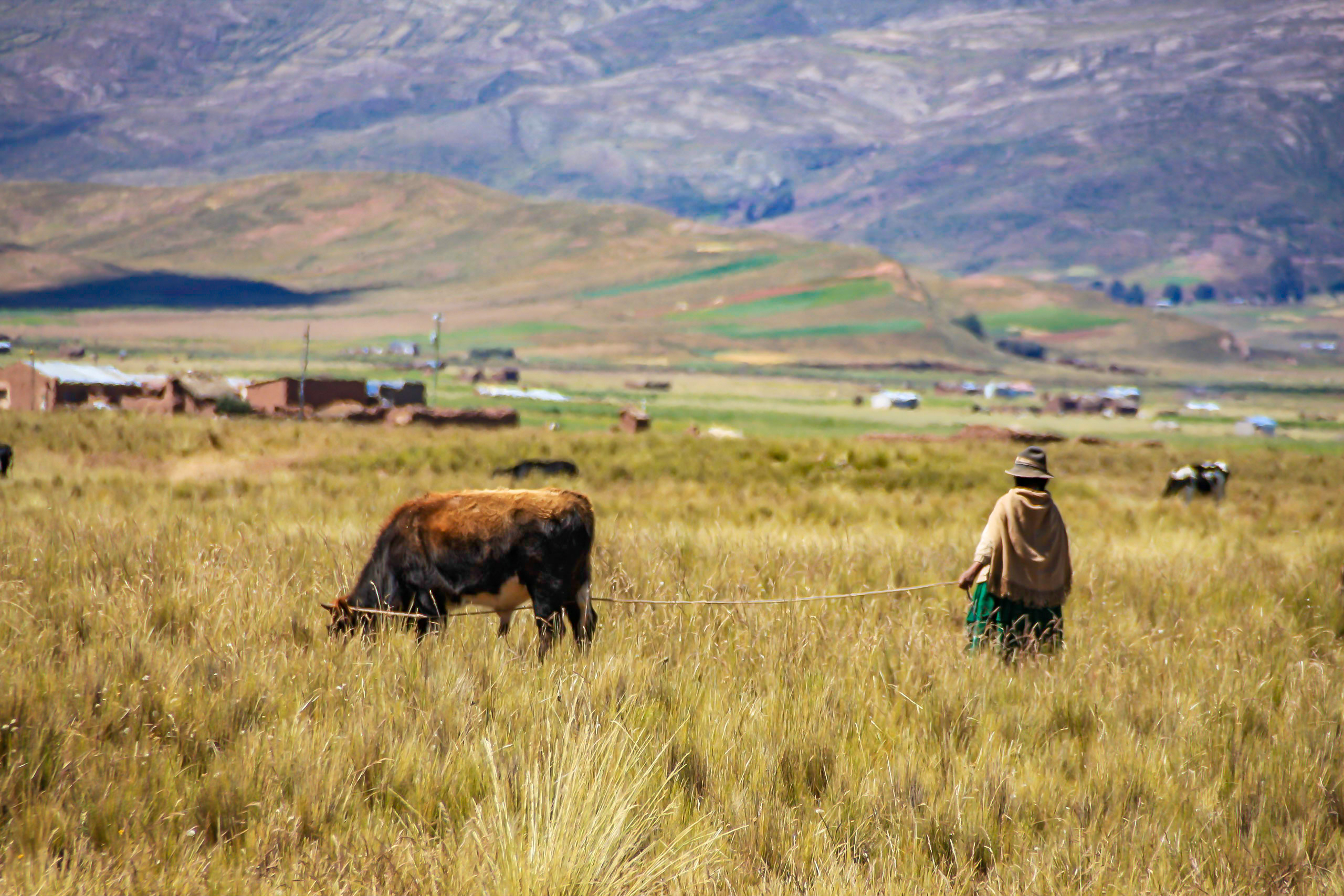
Bolivia, known for its diverse landscapes and rich agricultural heritage, has steadily developed a growing beef industry centered around sustainable farming practices. The country’s beef sector is focused on raising cattle in natural, extensive grazing systems that prioritize environmental sustainability and animal welfare. Bolivia has made significant strides in improving the quality of its beef production, with a rising demand for its grass-fed, hormone-free beef both locally and internationally.
Bolivia’s beef industry is a key part of the agricultural sector, with the country becoming one of the top beef exporters in South America. In recent years, Bolivia has seen an increase in its beef exports, reaching markets in countries such as Russia, Brazil, and the European Union. The beef sector contributes significantly to the economy, with an estimated 20% of rural households dependent on cattle ranching for their livelihood. The industry provides jobs in various fields, including farming, meat processing, and logistics, and it has played an important role in the development of rural infrastructure, including roads and transportation networks.
A notable aspect of Bolivia’s beef industry is its commitment to sustainable practices. Cattle are often raised in vast, natural pastures that are managed with an eye toward maintaining biodiversity and minimizing environmental impacts. Bolivia has also worked on implementing better traceability systems to ensure the safety and transparency of its beef products. By focusing on sustainable practices, Bolivia is positioning itself as a key player in the global market for high-quality beef, while promoting environmentally responsible farming techniques that contribute to both the economy and the environment.
Paraguay: Expanding Its Global Presence
Paraguay, though smaller in terms of beef production compared to Argentina or Brazil, is an important player in the South American cattle ranching industry. In 2020, Paraguay produced around 1.5 million metric tons of beef, with the majority of production dedicated to exports. The beef industry represents a large portion of Paraguay’s agricultural sector, with beef exports accounting for 25% of its agricultural exports.
Cattle ranching plays a significant role in providing employment, particularly in the rural areas of Paraguay. According to the Paraguayan Ministry of Agriculture, over 250,000 people are employed in the beef industry. In addition to direct employment, the cattle sector generates income through ancillary services such as feed production, veterinary care, and transportation. The Paraguayan government has increasingly recognized the importance of the beef industry in driving economic development and has implemented policies to support sustainable growth in the sector.
Paraguay’s cattle ranching is characterized by its natural grasslands, which provide an ideal environment for raising cattle. However, the country faces challenges related to land use and environmental concerns, as the expansion of pastureland can lead to deforestation, particularly in the Gran Chaco region. While the country has made efforts to improve the sustainability of its beef industry, much remains to be done to mitigate environmental impacts.
Global Beef Trade and South America’s Strategic Position
South America’s cattle ranching industry not only impacts local economies but also plays a critical role in the global beef trade. As the world’s largest beef exporters, Argentina, Uruguay, and Paraguay have a significant influence on global meat markets. The growing demand for beef in emerging economies like China and India has pushed South American countries to expand production and strengthen their position in international markets.
In 2021, South America exported over 10 million metric tons of beef, with Brazil, Argentina, and Uruguay leading the charge. As one of the world’s top beef producers, Brazil’s beef exports alone accounted for approximately 20% of global beef trade. The region’s ability to provide large quantities of high-quality beef at competitive prices has made it an essential player in the global market.
The trade agreements in place between South American countries and large consumer nations such as the United States, the European Union, and China have also shaped the industry. For example, the EU-Mercosur trade agreement, which includes Argentina, Uruguay, and Paraguay, is expected to increase the flow of beef exports to the European market. Additionally, South American countries have increasingly sought to diversify their beef export markets to reduce dependence on a single region and mitigate the risks associated with changing demand.
The expansion of the global beef trade has not been without challenges, including fluctuating beef prices, changing consumer preferences, and trade disputes. The COVID-19 pandemic, for instance, disrupted supply chains and caused uncertainty in international markets. Nevertheless, the long-term outlook for South American beef exports remains strong, driven by population growth and rising middle-class incomes in developing countries.
Environmental Impact and Sustainability Concerns in South American Cattle Ranching
While cattle ranching has bolstered local economies and global markets, it also poses significant environmental challenges. In South America, deforestation is one of the primary concerns associated with the expansion of cattle ranching. According to a report by the World Wildlife Fund (WWF), around 70% of deforestation in the Brazilian Amazon is driven by agricultural expansion, with cattle ranching being the leading cause. The conversion of forests into grazing land not only contributes to the loss of biodiversity but also accelerates climate change due to the release of carbon stored in trees.
Additionally, cattle farming is responsible for a significant share of global methane emissions, a potent greenhouse gas. The livestock sector, including cattle ranching, contributes approximately 40% of global methane emissions, according to the Food and Agriculture Organization (FAO). In South America, where large-scale beef production is concentrated, mitigating these emissions has become a critical focus for sustainability efforts.
Water use is another concern related to cattle ranching, particularly in regions where water scarcity is an issue. Cattle farming is a water-intensive industry, with estimates suggesting that producing one kilogram of beef requires around 15,000 liters of water. This has led to increased pressure on water resources in regions already facing water shortages.
Sustainability Initiatives and the Future of South American Cattle Ranching
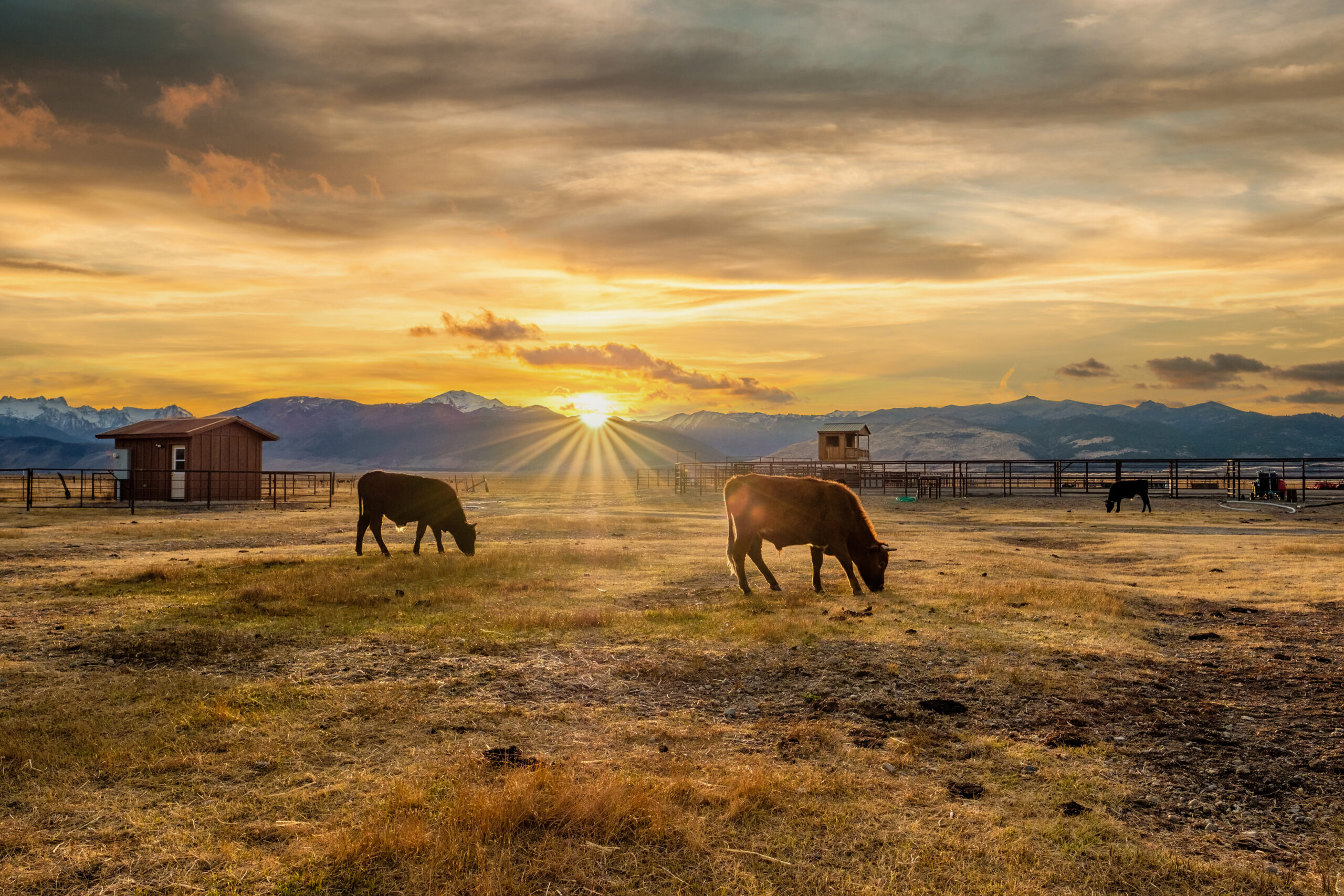
The environmental challenges associated with cattle ranching have prompted many South American countries to focus on sustainable practices. Efforts to reduce deforestation, mitigate methane emissions, and conserve water are essential for ensuring the long-term viability of the cattle industry. Many South American countries are adopting technologies that improve the efficiency of cattle farming, such as rotational grazing, improved feed practices, and methane-reducing additives.
Moreover, countries like Uruguay have set an example by emphasizing traceability and transparency in their beef supply chains, enabling consumers to make more informed choices about the beef they purchase. Uruguay’s commitment to sustainability and responsible land management has positioned it as a leader in producing high-quality, environmentally responsible beef.
Brazil, Argentina, and Paraguay have also made strides toward more sustainable cattle ranching practices, although challenges remain. Regulatory frameworks, international trade agreements, and consumer demand for sustainable beef products will continue to shape the future of cattle ranching in South America. As global demand for beef rises, balancing economic growth with environmental responsibility will be critical for the industry’s future.
Innovation and the Role of Technology in Sustainable Ranching
The role of innovation in sustainable cattle ranching cannot be overstated. Technologies that increase the efficiency of cattle farming, such as precision livestock farming, can help reduce waste, improve animal health, and minimize environmental impact. For example, wearable sensors can monitor cattle health in real-time, allowing farmers to address issues such as disease outbreaks more swiftly and accurately. This leads to healthier cattle, improved productivity, and lower environmental impact.
In addition to technological advancements, global initiatives and companies are pushing for more transparency and accountability in the cattle industry. Platforms like SWISS TRUST TRADING GROUP AG and TRUSTSA, which are part of the larger sustainability movement, aim to create transparency in supply chains, ensuring that cattle products are sourced responsibly. These platforms work with farmers and ranchers to promote best practices in sustainability, improving traceability from the ranch to the retail market. This not only helps consumers make more informed choices but also encourages ranchers to adopt better environmental practices.
Cattle ranching in South America plays a central role in both local economies and global markets. The industry provides employment, drives trade, and forms an integral part of the cultural identity of countries such as Argentina, Uruguay, and Paraguay. However, with the growth of the cattle industry comes the responsibility to address environmental concerns, particularly deforestation, methane emissions, and water usage. Sustainable practices, innovation, and responsible land management will be crucial in ensuring the future success of cattle ranching in South America.
As global demand for beef continues to rise, South America’s position in the global beef market will likely strengthen. However, the path forward requires a balance between economic growth and environmental stewardship. By embracing sustainable practices, South American countries can continue to thrive in the global cattle ranching industry while contributing to a more sustainable and responsible food system for future generations.