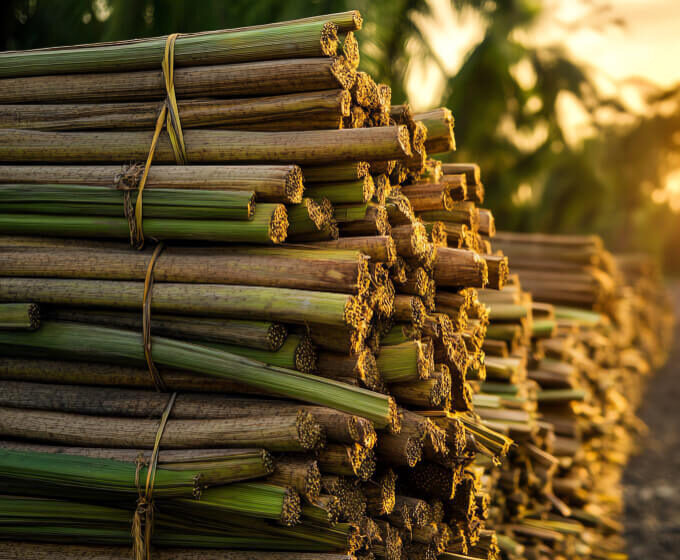
Sugar Trading & Investment Opportunities

Sugar is one of the most widely traded agricultural commodities globally, serving as a key input for food production, beverages, and a range of industrial applications. Global demand for sugar is driven by population growth, evolving consumption patterns, and its extensive use across multiple sectors.

Key Characteristics

GN Capital provides access to sugar-related trading and commercial opportunities through international supply networks and structured market participation. Our approach focuses on established trade flows, scalable volumes, and transparent commercial arrangements aligned with global market dynamics.

Globally traded agricultural commodity with broad end-use demand

Core input for food, beverage, and industrial sectors

Active international markets with recognised pricing benchmarks

Demand linked to everyday consumption rather than discretionary spending

Key Sugar Products and Applications

Sugar supports a wide range of end-use markets, contributing to its consistent global demand. Its versatility and integration into everyday consumption make it a central commodity within international agricultural trade.

Raw Sugar

Primarily traded as an input for refining, raw sugar is produced in major agricultural regions and shipped to global processing hubs.

Refined Sugar

Used directly in food and beverage production, refined sugar is a key ingredient for manufacturers serving both domestic and export markets.

Industrial Applications

Beyond food consumption, sugar is utilised in fermentation, bio-based products, and other industrial processes, expanding its demand base.

How We Participate in Sugar Markets

GN Capital accesses sugar markets through established supplier relationships, international trade routes, and structured commercial agreements. Our activities connect producing regions with consumption and processing centres across global markets.
Trade participation typically involves spot and short- to medium-term arrangements, allowing responsiveness to market conditions while maintaining operational discipline. Pricing reflects global benchmarks, regional supply conditions, and logistical considerations.

Market Dynamics and Risk Factors

Sugar markets are influenced by agricultural production cycles, weather conditions, trade policies, and global consumption trends. Regulatory frameworks, export quotas, and regional supply imbalances can all impact availability and pricing over time. Additional factors such as transportation capacity, energy costs, and currency movements may also affect trade flows and market conditions.

Responsible Sourcing and Next Steps

Sustainability considerations are increasingly relevant in global sugar production and trade. GN Capital recognises the importance of responsible sourcing practices, supply chain awareness, and regulatory compliance that support long-term market stability. Our approach evaluates environmental, operational, and commercial factors together, aligning sugar-related activities with broader efforts to support resilient agricultural systems.
If you would like to explore sugar-related opportunities or discuss how this category fits within your broader objectives, our team is available for a confidential discussion.